Surgery · 8 min read
LASIK in Turkey: Candidacy, Safety, and Travel Tips
Who qualifies for LASIK or SMILE, how eye surgery fits into a short Turkey trip, and practical travel advice for international vision correction patients.
Published 24 February 2026
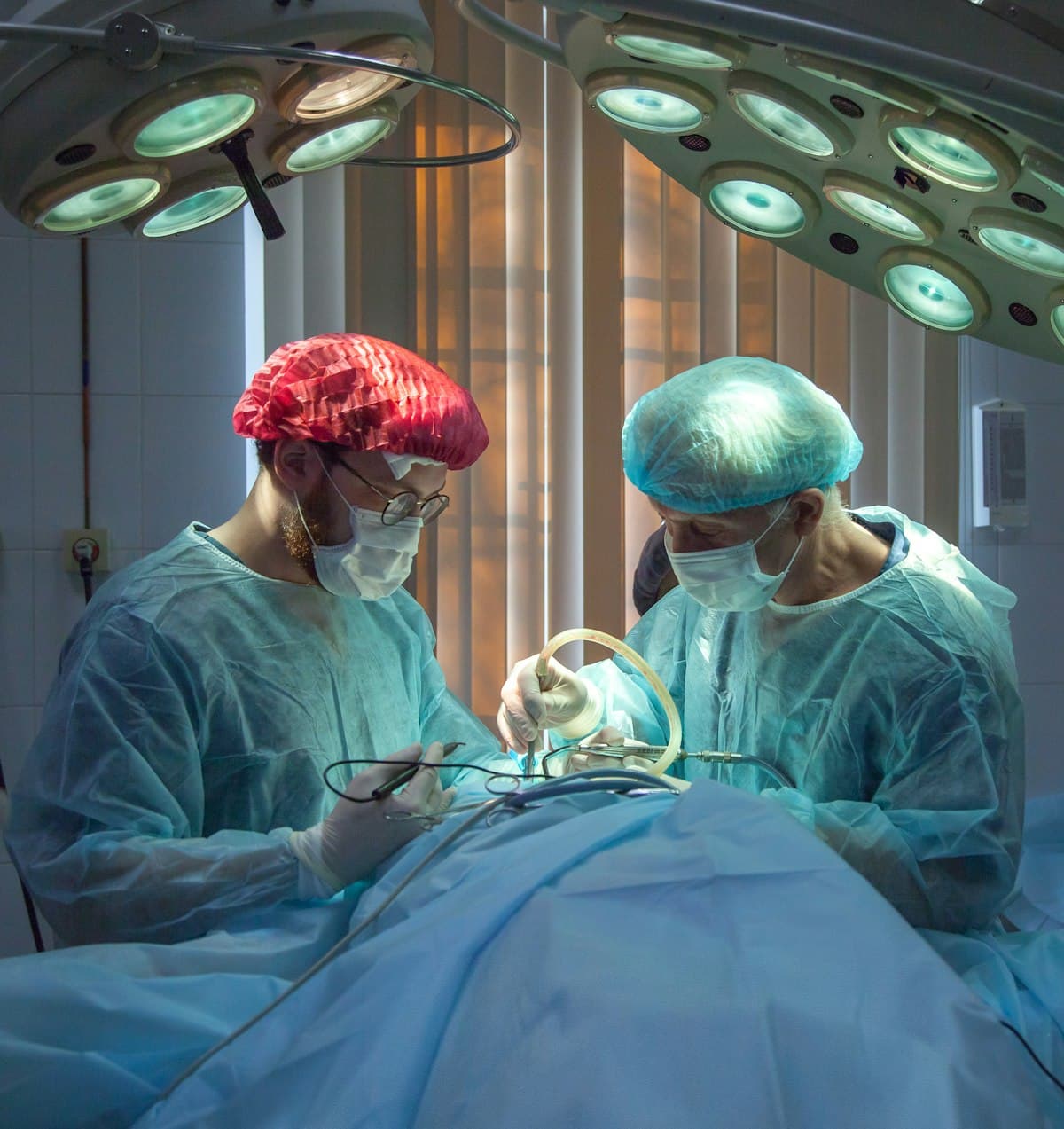
Laser vision correction attracts patients who want freedom from glasses for travel, sport, and daily life. Turkey hosts high-volume refractive centres with modern topography-guided platforms — but LASIK is not universal. Candidacy screening matters more than destination discounts. This guide covers who qualifies, what recovery looks like, and how to combine treatment with a short Istanbul visit.
Candidacy: who is a good fit
Stable prescription for at least 12 months, adequate corneal thickness, healthy ocular surface, and realistic expectations are baseline requirements. Thin corneas, keratoconus suspicion, uncontrolled dry eye, pregnancy, and certain autoimmune conditions may disqualify or require alternative procedures such as PRK or implantable lenses. Online quizzes cannot replace corneal tomography.
- Age 18+ with stable myopia, hyperopia, or astigmatism within treatable range
- No active eye infections or severe dry eye untreated
- Detailed mapping (Pentacam or equivalent) before quoting LASIK vs PRK vs SMILE
LASIK, SMILE, and PRK — brief differences
LASIK creates a corneal flap then reshapes underlying tissue; recovery is often fastest for suitable candidates. SMILE is flapless for many myopia cases, which may appeal to contact-sport patients. PRK avoids a flap but has longer epithelial healing. The best option is tissue-dependent, not trend-dependent.
Trip planning and clinic day flow
Many patients complete consultation, surgery, and next-day check in two to three nights total. Arrive the day before if you want rest before screening; avoid contact lenses for the period your clinic specifies pre-test. Longevita aligns hotel proximity to the eye centre and confirms when you are cleared to fly.
Recovery and flying home
Expect light sensitivity, tearing, and hazy vision early — improvement is often rapid within 24–48 hours for LASIK, slower for PRK. Bring sunglasses and lubricating drops approved by your team. Most clinics clear short flights within a few days if recovery is uncomplicated; dry cabin air means aggressive lubrication, not heroics.
Safety questions to ask your refractive surgeon
- What percentage of your cases are PRK because LASIK was unsafe?
- Which laser platforms do you use, and how do you manage dry eye?
- What enhancement policy applies if refraction drifts?
- Who handles post-op concerns after I return to my home country?