Guides · 7 min read
Is It Safe to Get Medical Treatment in Turkey?
An honest answer to one of the most-asked questions in medical tourism: how safe is treatment in Turkey, what the real risks are, and how to check a clinic before you book.
Published 10 November 2026
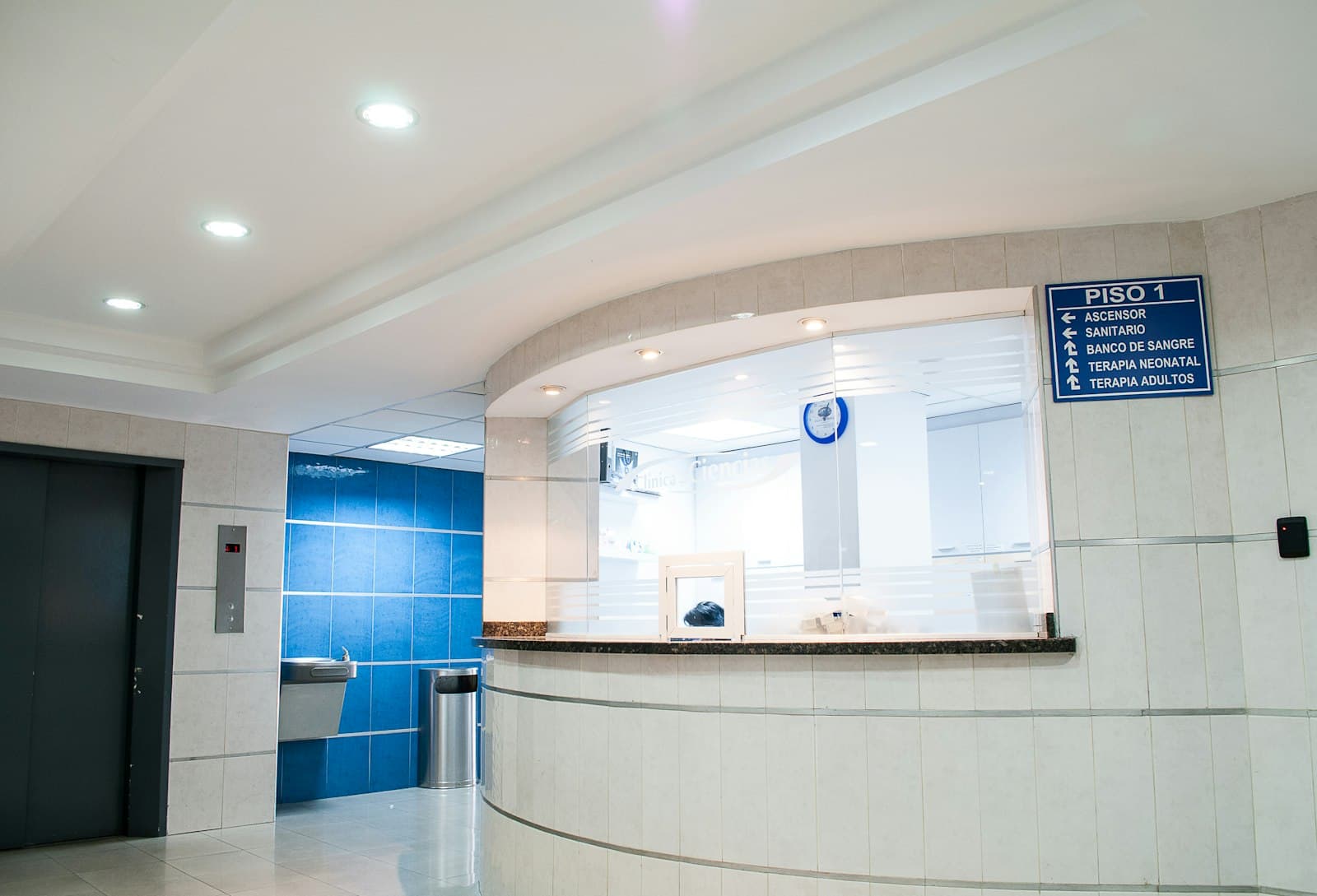
Short answer: yes, medical treatment in Turkey can be safe — if you choose an accredited facility, a qualified surgeon, and a provider that agrees aftercare in writing. The risk does not come from the country itself but from choosing on price alone, skipping medical screening, or flying home too early.
Why Turkey treats so many international patients
Turkey has a large private hospital sector, specialists with high annual case volumes, and short flights from Europe and the Gulf. Several Istanbul hospitals hold international accreditation such as JCI. The Turkish Ministry of Health also licenses facilities and agencies that serve international patients. Together, this has made Turkey one of the most visited destinations for hair, dental, and aesthetic treatment.
Where the real risks are
- Clinics that quote a fixed package before anyone has reviewed your photos, X-rays, or medical history
- Unclear responsibility: you do not know who actually performs the procedure
- Too many procedures in one trip, or flying home before the surgeon has checked you
- No written plan for what happens if you have a complication after returning home
How to check a clinic in 5 steps
- Verify the hospital's accreditation on the accrediting body's own website, not only on the clinic's site.
- Ask for the full name and qualifications of the surgeon or dentist, and confirm they perform the procedure themselves.
- Request a written treatment plan with itemised costs, materials, and the number of nights you need to stay.
- Ask how complications and revisions are handled, and who you contact once you are home.
- Check that the provider holds the official licences required to serve international patients in Turkey.
What a coordinator like Longevita adds
Longevita is not a hospital. We review your case, match you with licensed partner clinics, share facility and surgeon details before you travel, and stay reachable through recovery and aftercare. Medical decisions always remain with your treating doctor.
Frequently asked questions
- Is it safe to get surgery in Turkey?
- It can be, when you choose an accredited hospital, a named and qualified surgeon, and agree aftercare in writing. Safety depends on the facility and team, not on the country.
- Are Turkish hospitals accredited?
- Many private hospitals in Turkey are licensed by the Ministry of Health, and several hold international accreditation such as JCI. Always verify accreditation on the accrediting body's website.
- Is it safe to have a hair transplant in Turkey?
- Yes, when the procedure is performed or closely supervised by a qualified doctor in a licensed clinic after a proper assessment of your donor area. Avoid clinics that do not tell you who performs the procedure.
- What should I do if something goes wrong after I return home?
- Contact the clinic or your coordinator immediately and see your local doctor. Before you travel, make sure you have written aftercare instructions, your medical reports, and a clear contact route.