Hair · 10 min read
Hair Transplant in Turkey: Costs, Techniques, and Recovery
Understand FUE and DHI pricing factors, realistic recovery timelines, and how to plan a hair transplant trip to Turkey without falling for one-size-fits-all graft packages.
Published 28 May 2026
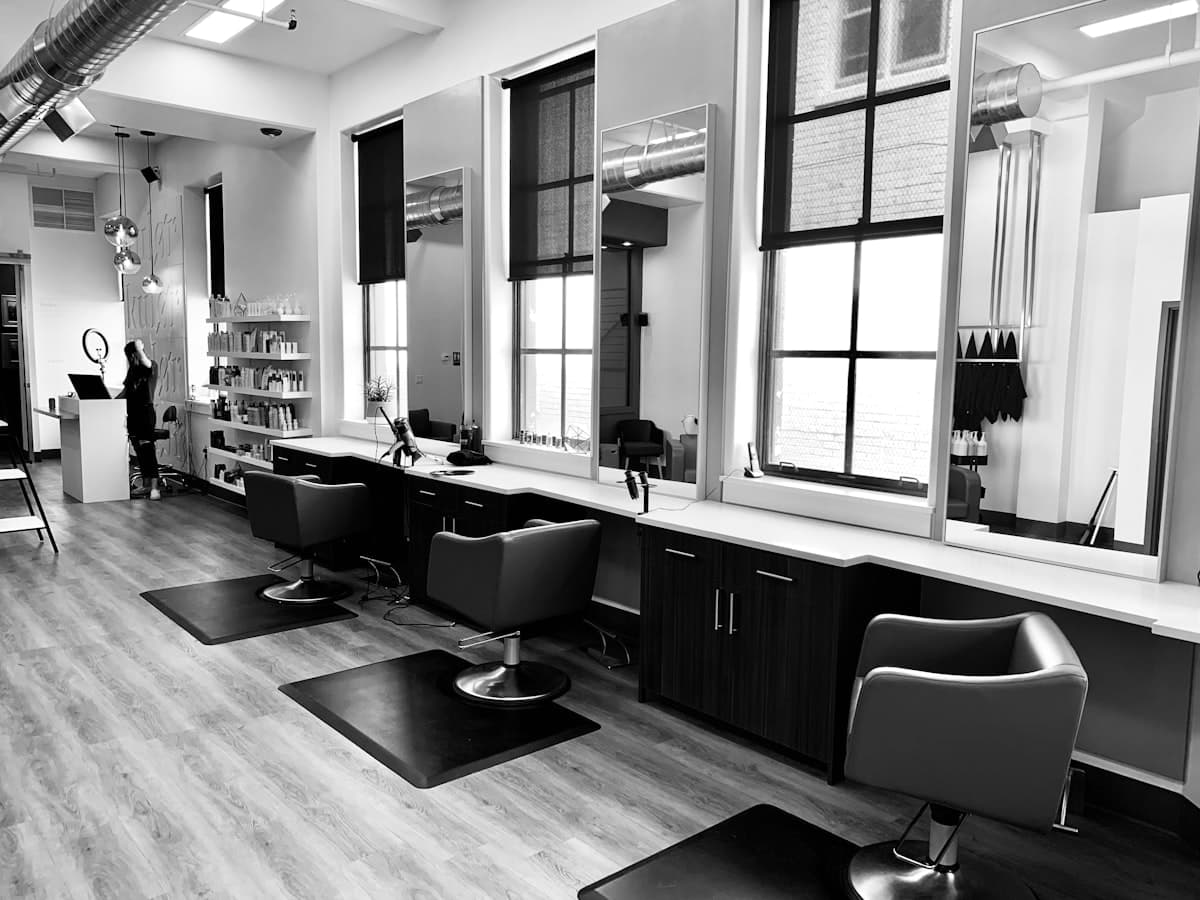
Hair transplant searches in Turkey outnumber almost every other medical tourism query — and for good reason. Experienced teams perform high volumes of FUE and DHI procedures for international patients each year. The challenge is separating skilled, density-led planning from assembly-line clinics that sell graft count over design. This article walks through cost drivers, technique differences, and what recovery actually feels like when you fly home.
FUE vs DHI: what changes in your plan
Follicular Unit Extraction (FUE) harvests individual grafts from the donor area, typically at the back and sides of the scalp, then implants them into recipient zones. Direct Hair Implantation (DHI) uses a specialised implanter pen that can allow more control over angle and density in some cases. Neither technique is universally superior — donor quality, hair calibre, and hairline design matter more than marketing labels.
- FUE: widely used, flexible for larger sessions, shaving usually required
- DHI: can suit certain density goals; may extend session time
- Combined approaches exist — suitability should follow densitometry, not trends
What affects cost — without fake price guarantees
Quotes depend on estimated graft need, surgeon seniority, clinic tier, sedation options, PRP add-ons, and hotel package length. A patient needing 2,500 grafts for temporal restoration will not pay the same as someone addressing advanced crown loss. Online calculators that promise exact totals before photo review are unreliable. Longevita arranges proper case assessment so your estimate reflects donor supply and goals — not a brochure minimum.
Typical inclusions to confirm in writing
- Pre-operative blood work and consultation
- Procedure, local anaesthesia, and same-day medications
- First-night follow-up and washing instructions
- Written aftercare and remote check-in schedule
Recovery week by week
Days one to three: mild swelling, tightness, and sleeping elevated are common. Days four to ten: scabbing and shedding begin — this is normal, not a sign of failure. Weeks two to four: most patients return to desk work; strenuous exercise should wait per surgeon guidance. Months three to twelve: visible growth cycles in; full aesthetic assessment often lands around the one-year mark. Individual healing varies.
How long to stay in Istanbul
Most international patients plan three to five nights: procedure day, next-day check, optional wash day, then fly home when cleared. Avoid stacking back-to-back tourism on procedure day. Your coordinator should confirm flight timing with the clinic — cabin pressure and long transfers too early can increase discomfort.
Red flags when comparing clinics
- Guaranteed graft numbers before reviewing photos or video consult
- No named surgeon on procedure day
- Pressure to pay in full upfront with unclear refund terms
- No written complication or revision policy